There’s something special about stepping onto a trail in the Roaring Fork Valley. As the sun lights up the surrounding red peaks and the soothing sounds of the forest fill the air, it’s easy to lose yourself in the encircling landscape. With direct access to hundreds of miles of high-country routes, Snowmass makes an excellent launch point for hikers of every skill level. In this guide, we’ll cover everything you need to know about Snowmass hiking.
Sign up for our newsletter to make sure you’re the first to know about new specials, deals, and news from The Crestwood!
Newsletter Signup
In This Article:
- Top Snowmass Hiking Trails for Every Experience Level
- Essential Tips for Hiking in Snowmass
- Planning Your Mountain Getaway
- Frequently Asked Questions
Top Snowmass Hiking Trails for Every Experience Level
The network of Snowmass hiking trails spans a wide range of terrain. You’ll find routes through thick alpine forests, treks along rushing creek waters, and summit ridge trails with stunning views of the Elk Mountain Range. Here are a few of our standout picks for hikers of different experience levels.
Tom Blake Trail
For an intermediate-level walk that leaves you feeling truly immersed in nature, consider the Tom Blake Trail. Winding through some of the most beautiful aspen groves in the valley, this well-maintained trail is a consistently reliable pick for families or visitors who are still adjusting to the mountain air. In late September, the corridor takes on a brilliant gold color, making it one of the best hiking trails in Snowmass for enjoying the fall colors.
Rim Trail to Spiral Point
If you’re looking for the maximum reward for a manageable ascent, the Rim Trail is hard to beat. This 2.7-mile round trip takes you up a sage-brushed hillside with views of Snowmass Village below. At Spiral Point, you’ll find incredible 360-degree views of the surrounding valleys, delivering an impressive payoff that doesn’t require an all-day climb.
Crater Lake via Maroon Bells
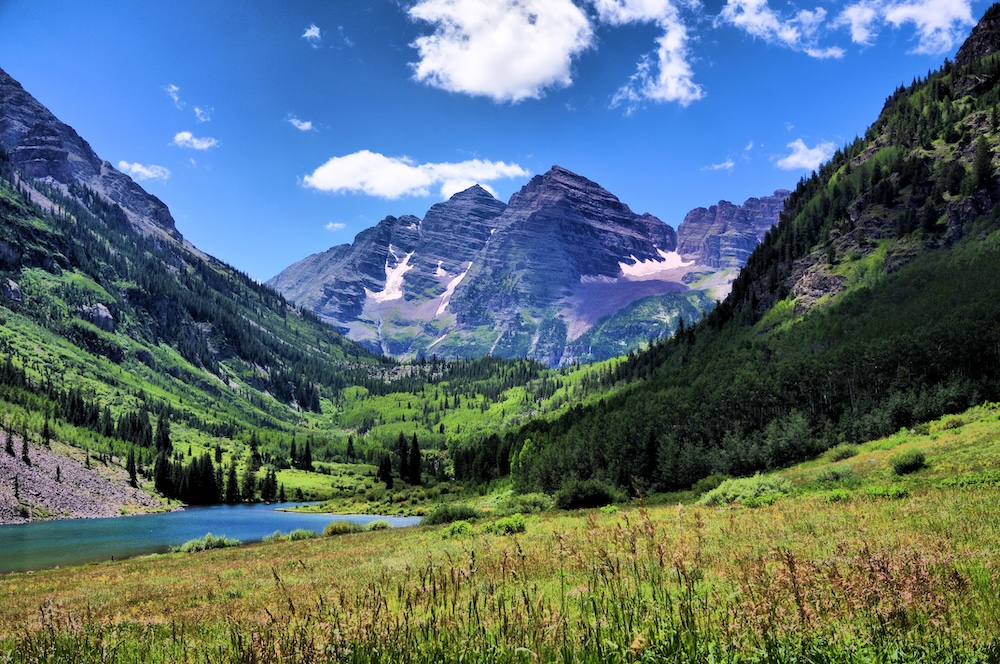
No visit to the valley is complete without getting a good look at the famed Maroon Bells. Just a short drive from Snowmass, the hike from Maroon Lake to Crater Lake takes you through rocky glacial terrain right to the base of the 14,000-foot peaks. Because this moderately difficult section is so popular, shuttle or parking reservations are required in advance. Be sure to check your reservation status before heading to the trailhead.
The Snowmass Creek Trail
For experienced hikers looking for a more challenging trek, the Snowmass Creek Trail to Snowmass Lake offers that true backcountry, remote feel. The route follows the creek’s rushing waters through thick evergreen forests before a steep ascent toward the base of Snowmass Mountain. The reward is a tranquil high-alpine lake known for its impressive views and exceptional fly fishing. If taking on this trail, be sure to get an early start and prepare for a rewarding, all-day workout.
The Lost Man Trail at Independence Pass
If you want to head even higher into the continental divide, make the scenic drive up Highway 82 for a classic Independence Pass hike. The Lost Man Trail features high-alpine tundra, pristine lakes, and wide-open basins. Because the entire route sits above 10,000 feet, it demands plenty of preparation and about 5 hours to complete. Seasoned hikers, however, will love the high-altitude challenge and stunning ridge views.
Essential Tips for Hiking in Snowmass
The trails you’ll find in the Snowmass area are some of the most rewarding in the country, but they also require a bit more preparation. Keep these tips in mind to stay safe and comfortable at higher altitudes.
Hydrate Early and Often
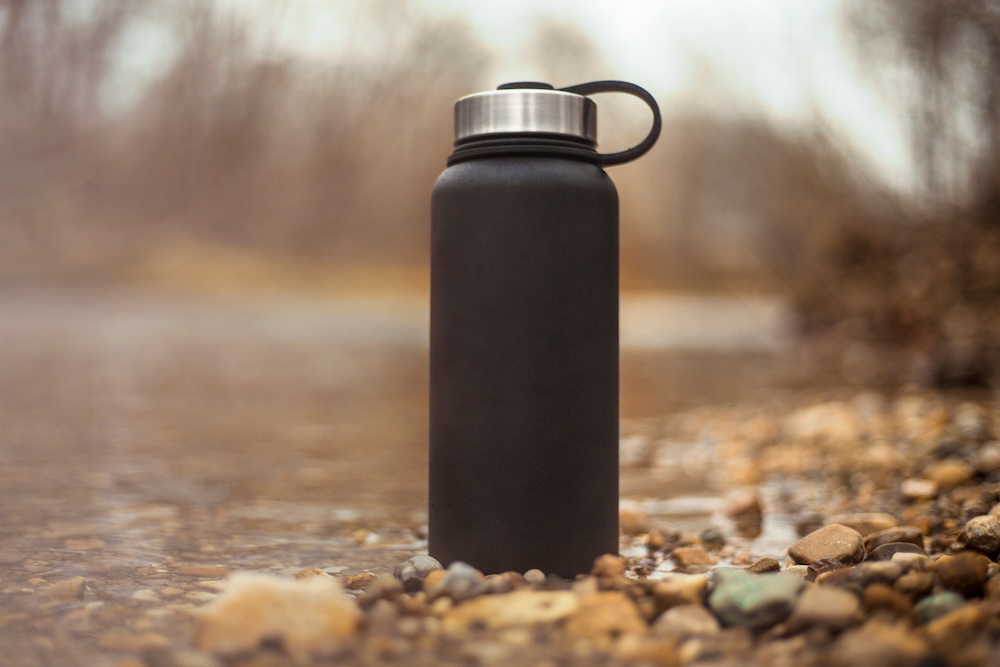
Snowmass Village sits around 8,000 feet above sea level, with many of the area’s trails reaching even higher. The elevation and dry air cause your body to use fluids faster, meaning it’s always smart to start drinking extra water before you arrive and bring more water than you think you’ll need on your hike.
Pack Layers
Mountain temperatures can change quickly. To ensure adaptability on the trails, pack several light, breathable layers, and always include a reliable waterproof rain shell.
Start Early to Beat Afternoon Storms
Summer afternoon storms are common in the Rockies, and lightning can be a serious hazard along exposed ridges. Regularly monitor the forecast and plan to finish the high-elevation stretches of your hike by early afternoon.
Bring the Essentials
Beyond plenty of water and trail snacks, always carry sun protection gear, a basic first-aid kit, and an offline map, since cell service can be spotty in many remote areas.
Respect Trail Etiquette and Wildlife
Make sure you yield to uphill hikers, keep dogs leashed where required, and pick up all of your trash. If you encounter any wild animals, it’s best to keep a wide, respectful distance.
Planning Your Mountain Getaway
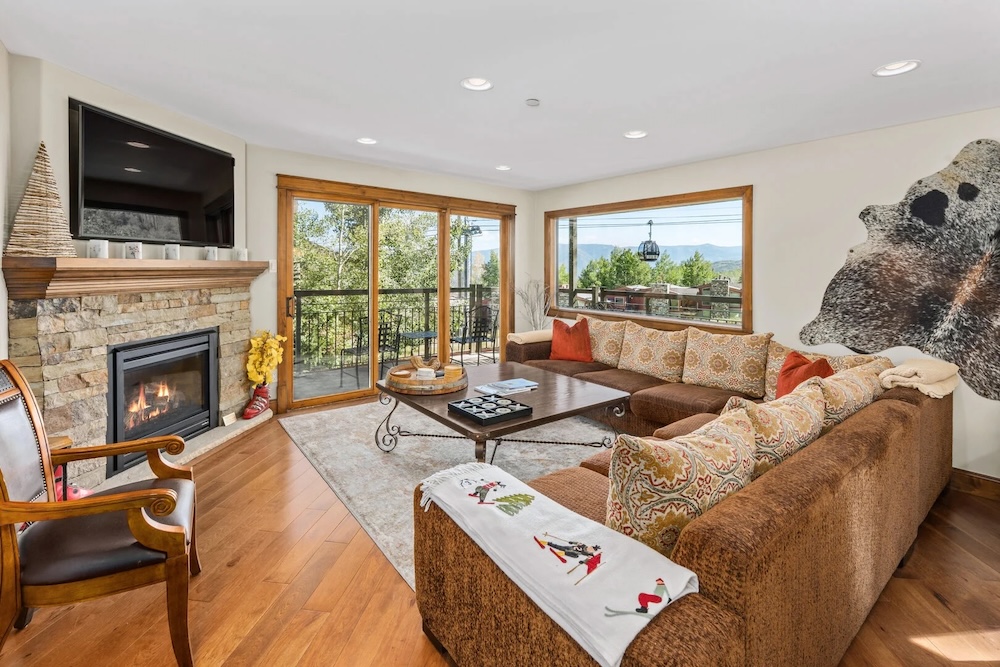
Featured Snowmass Village Vacation Rental: Crestwood 3110
After a full day of exploring the outdoors, there’s nothing better than returning to a comfortable home base to recharge for the next adventure. Finding your ideal solo escape, romantic couple’s headquarters, or perfect family-friendly lodging near the trails makes all the difference when planning your trip. At The Crestwood, we offer a curated selection of rentals fit for every traveler type. Check out our available units and start planning your unforgettable mountain getaway today!
Frequently Asked Questions
What is the best time of year for hiking in Snowmass?
The peak hiking season in Snowmass runs from June to October. Summertime in the region is known for warm weather and striking wildflower displays, while late September is the ideal time for viewing the fall foliage.
Are there kid-friendly hiking trails in Snowmass?
Absolutely! Snowmass offers several scenic paths suitable for all ages and experience levels. Easier routes like the Tom Blake Trail provide beautiful scenery and shaded pathways without steep elevation gains.
How do I handle the high altitude when hiking in Snowmass?
For the best high-altitude experience, drink plenty of water before and during your hikes, wear sun protection, and pack several breathable, waterproof layers.
Written by Colin Tate
Colin writes for The Crestwood, providing local insight and travel tips to help travelers plan their ideal stay in Snowmass Village.