A trip to Snowmass means fresh mountain air, stunning Rocky Mountain views, and plenty of opportunities to spend quality time outdoors. But if you’re coming in from a lower elevation, there’s something worth preparing for before you arrive. The thinner air at higher altitudes can leave some visitors feeling less energetic than normal, especially over the first day or two.
Altitude sickness doesn’t affect everyone, but it’s important to know the signs and be prepared. Fortunately, a little planning can go a long way toward making your time in the mountains as comfortable as possible. Follow along in this guide as we take a closer look at how to avoid altitude sickness in Colorado.
Want to be the first to know about the latest news, specials, and deals in Snowmass? Join our newsletter!
Newsletter Signup
In This Article:
- Understand How Altitude Affects Your Body
- Give Yourself Time to Adjust to the Snowmass Altitude
- Stay Hydrated, Eat Well, and Be Mindful of Alcohol
- Know When to Take Symptoms Seriously
- Enjoy a Comfortable Mountain Getaway in Snowmass Village
- Frequently Asked Questions: Altitude Sickness in Snowmass, CO
Understand How Altitude Affects Your Body
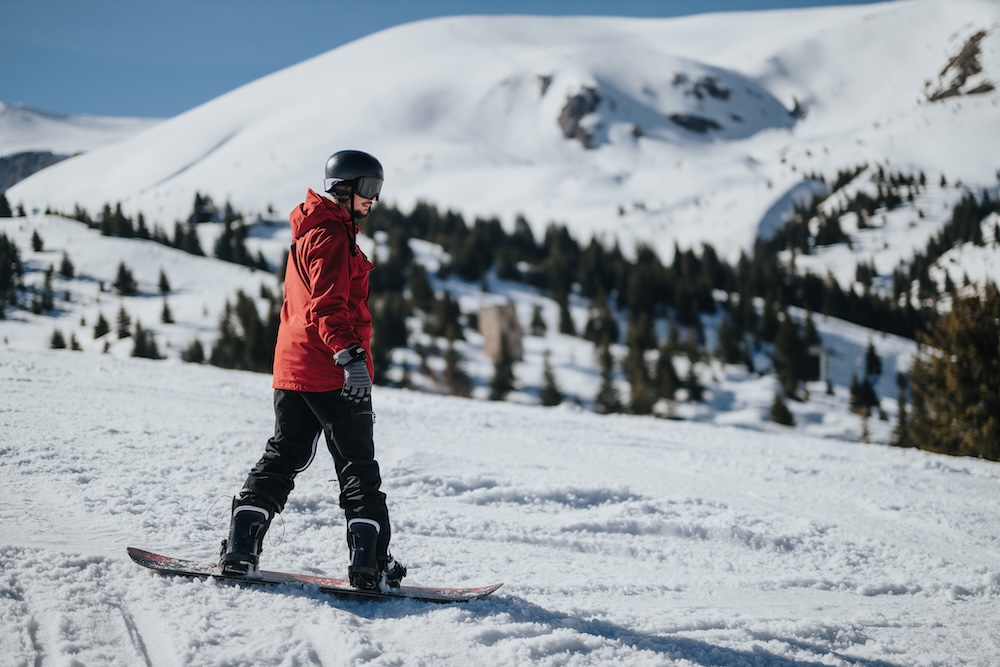
Snowmass Village sits at approximately 8,100 feet above sea level, with many of the region’s ski slopes, hiking trails, and scenic viewpoints reaching even higher. At these heights, there’s less oxygen in the air you breathe, so your body will naturally take time to adjust.
Also known as acute mountain sickness (AMS) in its mildest form, altitude sickness can affect anyone, regardless of age, fitness level, or previous mountain experience. Being physically active doesn’t automatically exempt you, and even experienced hikers and skiers can feel the effects when they arrive at a new, higher elevation.
Common symptoms include:
- Headaches
- Nausea or reduced appetite
- Dizziness or lightheadedness
- Unusual fatigue or weakness
- Difficulty sleeping
Symptoms can develop within hours of arriving at a higher elevation, but some people may not notice until later in the day. Mild symptoms typically improve as your body adjusts, but it’s important not to dismiss them as ordinary travel fatigue.
Give Yourself Time to Adjust to the Snowmass Altitude
Snowmass has plenty of reasons to get moving, from summer hikes and mountain biking to winter skiing and snowboarding. It’ll likely be tempting to immediately hop into these activities upon arrival, but you may want to give yourself some time to build up to your usual comfort level.
One of the most effective ways to manage potential altitude sickness symptoms is to plan a travel itinerary with some initial breathing room. Rather than immediately setting out on more strenuous excursions, give yourself some time to acclimate after arriving.
Even if you feel perfectly fine, symptoms can sometimes take time to develop, so it’s a good idea not to push yourself too hard on that first day. Sitting down for a good meal, exploring the village, or relaxing back at your vacation rental are excellent ways to take it easy early on.
When you do start to hit the slopes or head to the trails, keep these tips in mind:
- Start with shorter outings: Choose an easier trail or ski run before working up to a longer route or steep climb.
- Take frequent breaks: Rest when you need it, and don’t feel pressured to keep up with the fastest person in your group.
- Listen to your body: Unusual fatigue, headaches, nausea, or dizziness are reasons to stop and reassess your plans.
Stay Hydrated, Eat Well, and Be Mindful of Alcohol
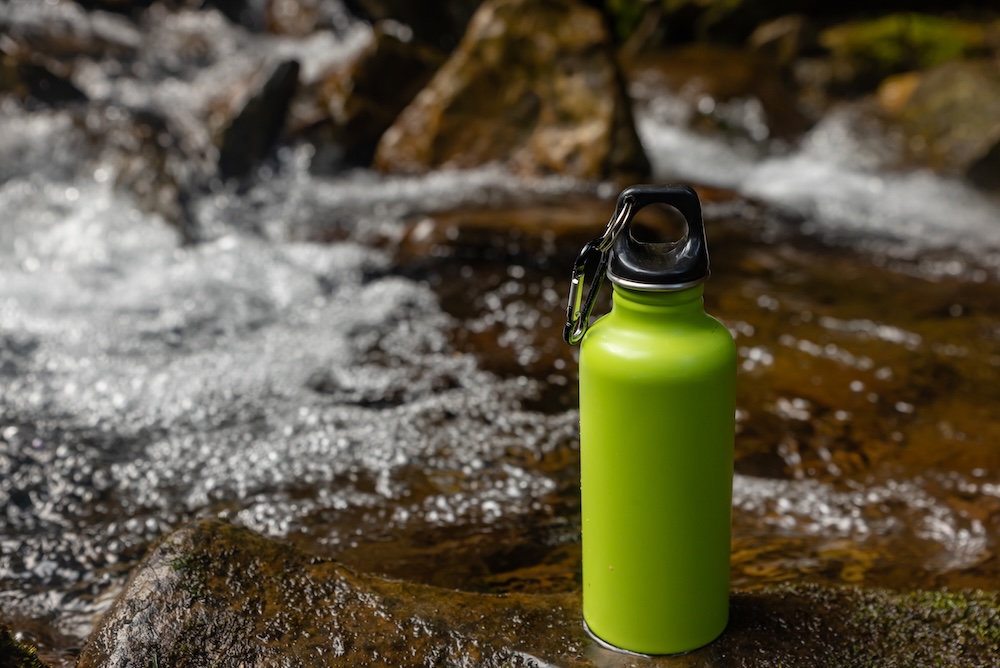
Drinking plenty of water is a simple way to support your body’s adjustment to the Snowmass altitude. Mountain air can already be dry, and any physical activity will increase your need for fluids. Dehydration can cause or worsen headaches, dizziness, or fatigue you may already be experiencing at elevation.
Keep a water bottle on hand, drink regularly throughout the day, and increase your fluid intake when spending time outside. It’s also a good idea to start drinking extra water in the days leading up to your trip, so that your body is prepared when you arrive.
Adequate food can also make a real difference in how you feel. Try to eat regular, balanced meals, and don’t skip breakfast before an active day on the mountain. Carbohydrate-rich foods like oatmeal, fruit, and whole-grain bread can be great sources of energy while you’re adjusting to the elevation. You won’t necessarily need a special diet at altitude; just focus primarily on eating enough to support your daily activity level.
Alcohol consumption deserves a little extra consideration, too. It can contribute to dehydration, interfere with sleep, or make it harder to recognize your symptoms. Consider limiting or skipping alcohol during your first couple of days, particularly if you’re already feeling any symptoms early on.
Know When to Take Symptoms Seriously
Even with the best preparation, you still might experience altitude sickness. Ultimately, it affects everyone differently. Recognizing symptoms early and knowing how to respond appropriately are among the most important parts of a mountain vacation.
If you develop a headache, nausea, dizziness, or unusual fatigue, stop any strenuous activity and avoid going any higher. Don’t try to push through the discomfort, and if symptoms continue to worsen, seek medical advice.
It’s also important to note that not every headache or instance of nausea is necessarily caused by altitude sickness. General dehydration and exhaustion are common among people taking part in strenuous outdoor activities and can easily cause similar symptoms. It’s just best to be prepared and know how to respond accordingly.
Enjoy a Comfortable Mountain Getaway in Snowmass Village
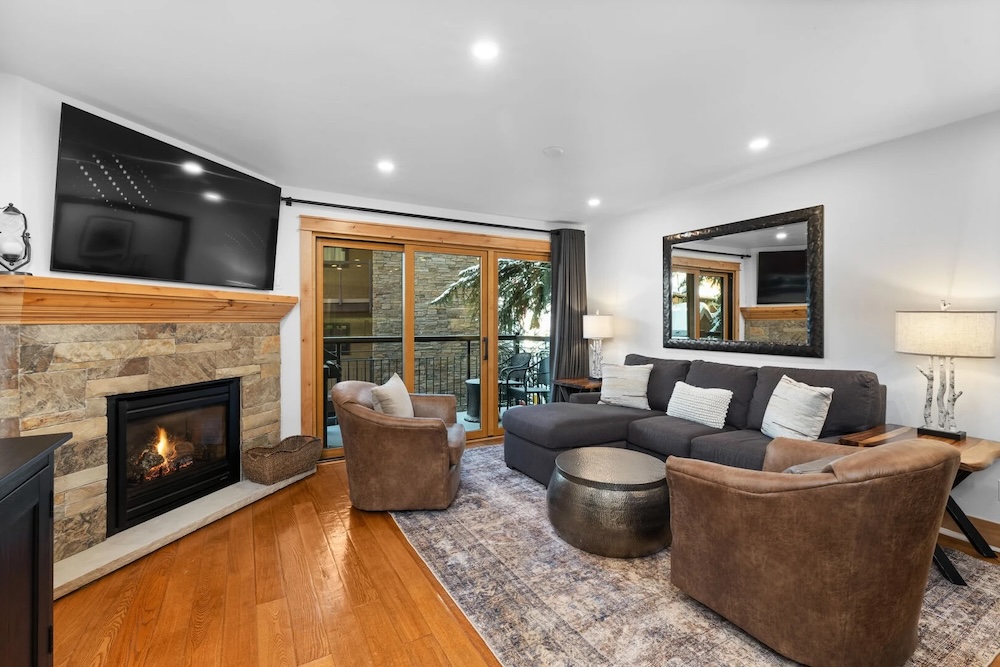
Featured Snowmass Condo: Crestwood 2113
A little preparation can make your time in the mountains much more enjoyable. By allowing yourself adequate time to acclimate, taking it easy for the first day or two, and drinking plenty of water, you can easily set yourself up for the best vacation experience.
When you’re ready to plan your Snowmass escape, consider booking a stay at The Crestwood. Our premier condominiums put you just steps away from Snowmass Base Village and offer on-site access to our resort amenities. Browse our available units now and start planning an unforgettable mountain stay!
View All Snowmass Vacation Rentals
Frequently Asked Questions: Altitude Sickness in Snowmass, CO
What is the elevation of Snowmass, Colorado?
Snowmass Village sits at approximately 8,100 feet above sea level, while the summit of Snowmass Mountain reaches 12,510 feet.
How can you avoid altitude sickness in Snowmass, CO?
To reduce your risk of altitude sickness, stay hydrated, get plenty of rest, limit alcohol, and take it easy during your first 24 to 48 hours. Gradually increase your activity level as your body adjusts to the elevation.
How long does it take to adjust to the Snowmass altitude?
Many visitors adjust fully within one to two days, although acclimatization varies from person to person.
What are the symptoms of altitude sickness?
Common symptoms include headaches, nausea, dizziness, fatigue, and difficulty sleeping. Stop strenuous activity if symptoms develop, and seek medical advice if they persist or worsen.
Written by Colin Tate
Colin writes for The Crestwood, offering local insight and travel tips to help visitors get the most out of their stay in Snowmass.